Traditional In-Home Elevators
Our traditional in-home elevators are built to last, designed to fit your home, and installed by a team that takes full responsibility for the outcome.

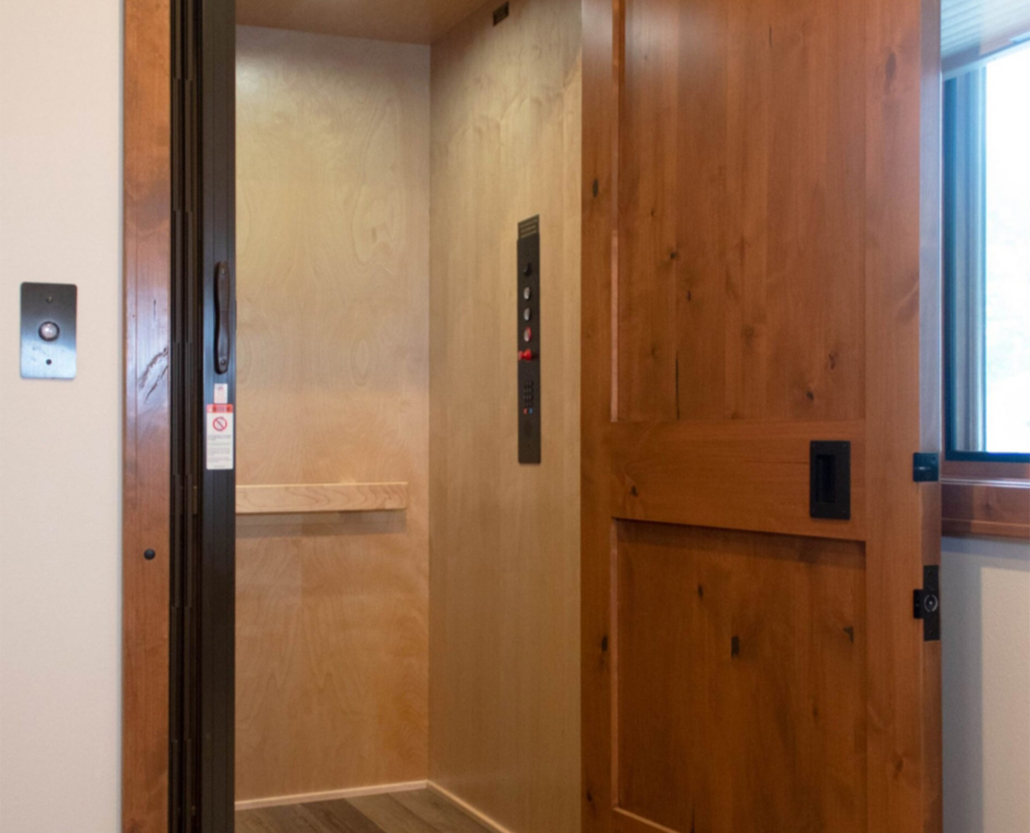
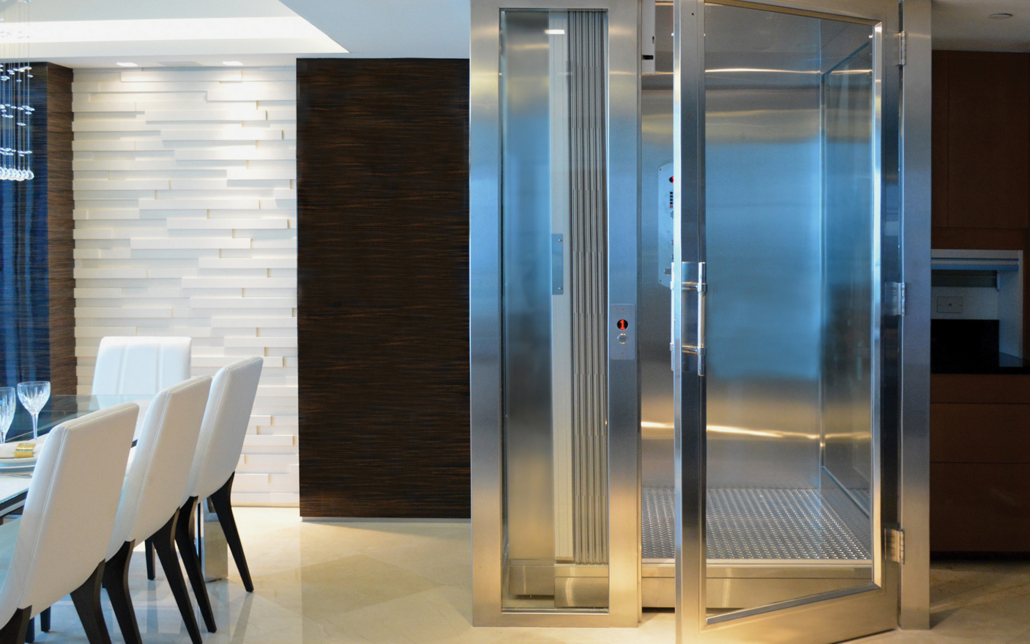
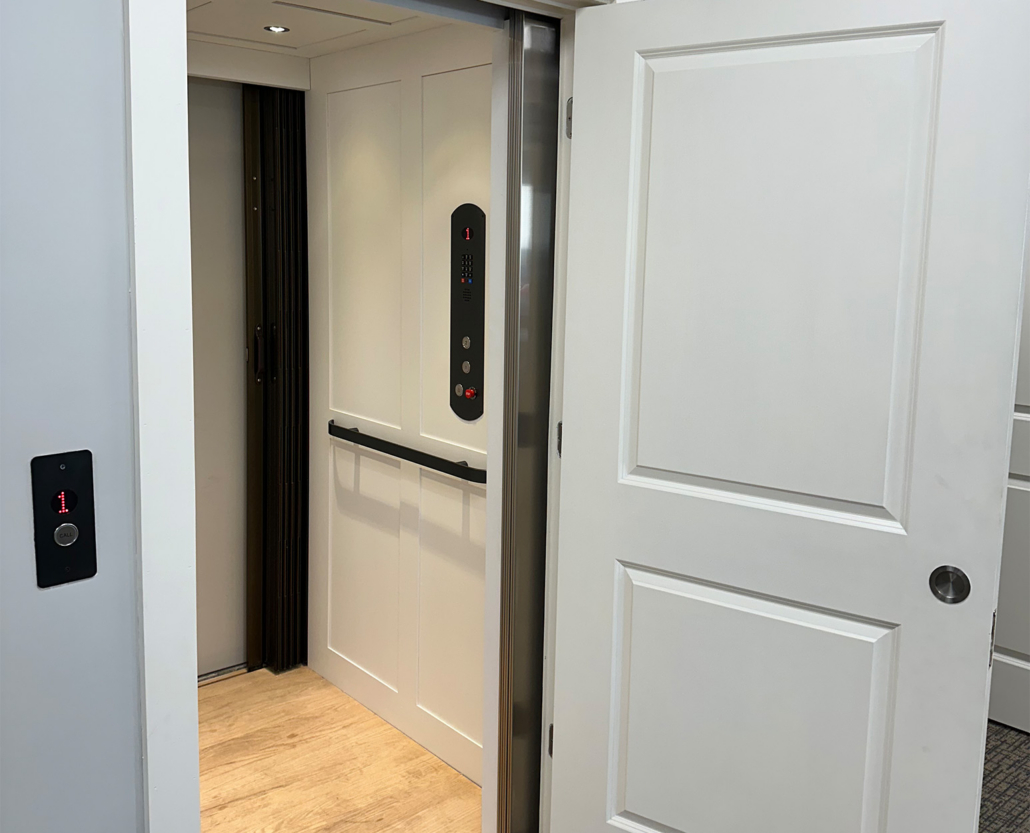
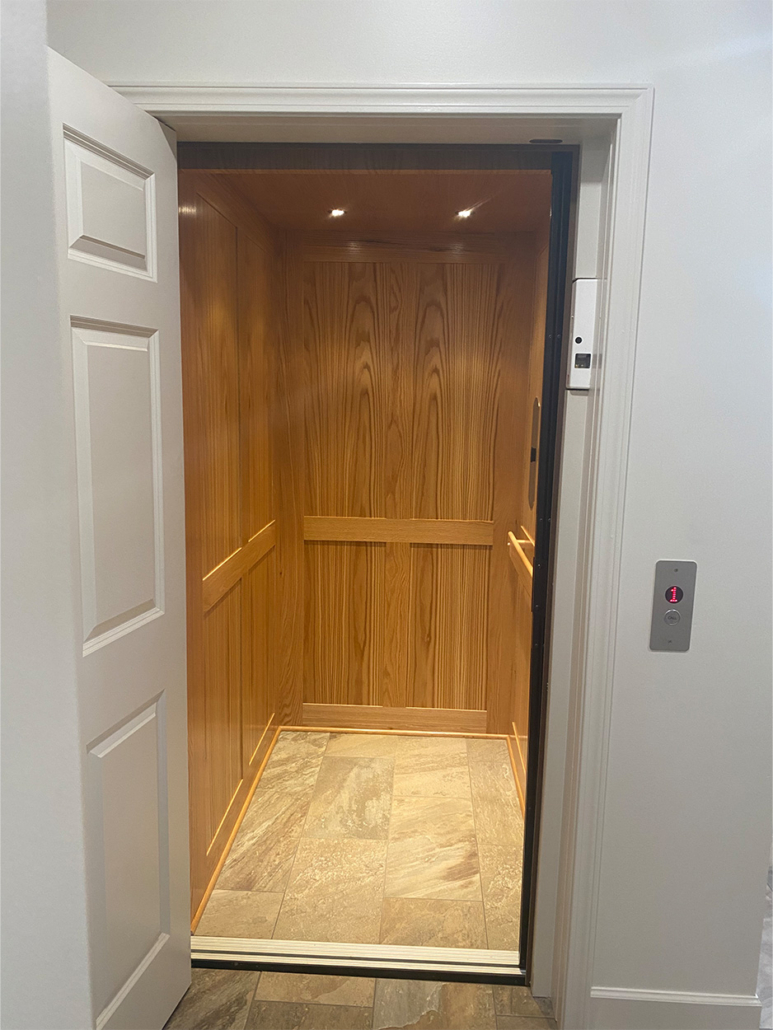
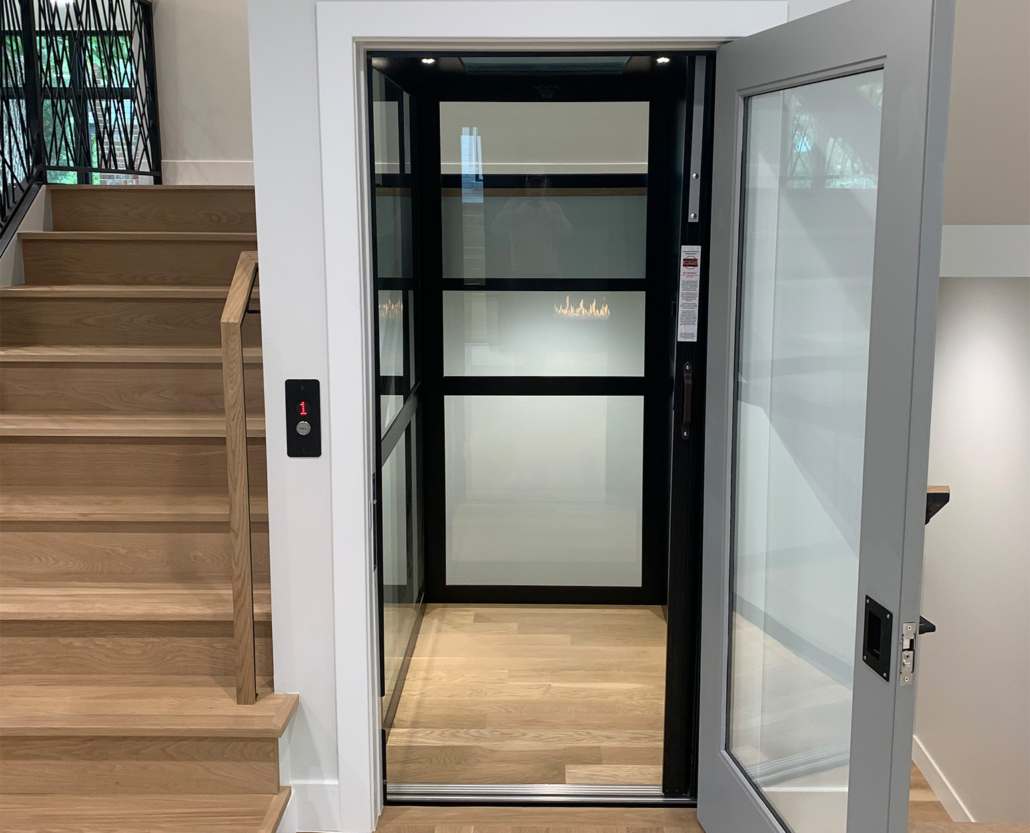
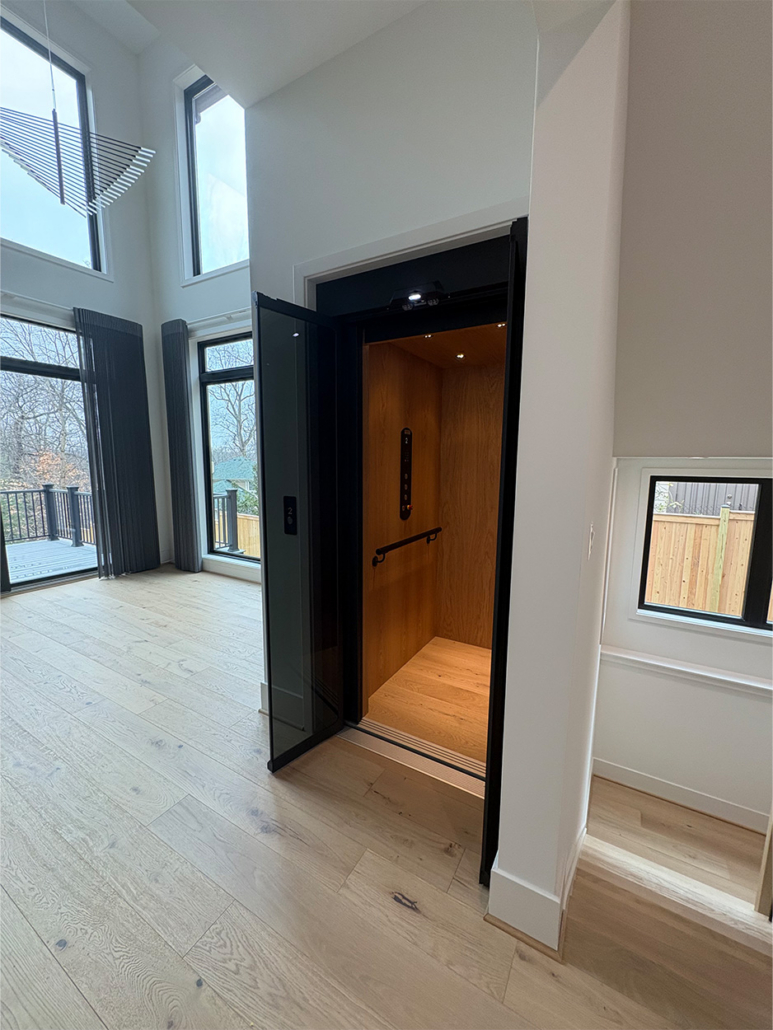
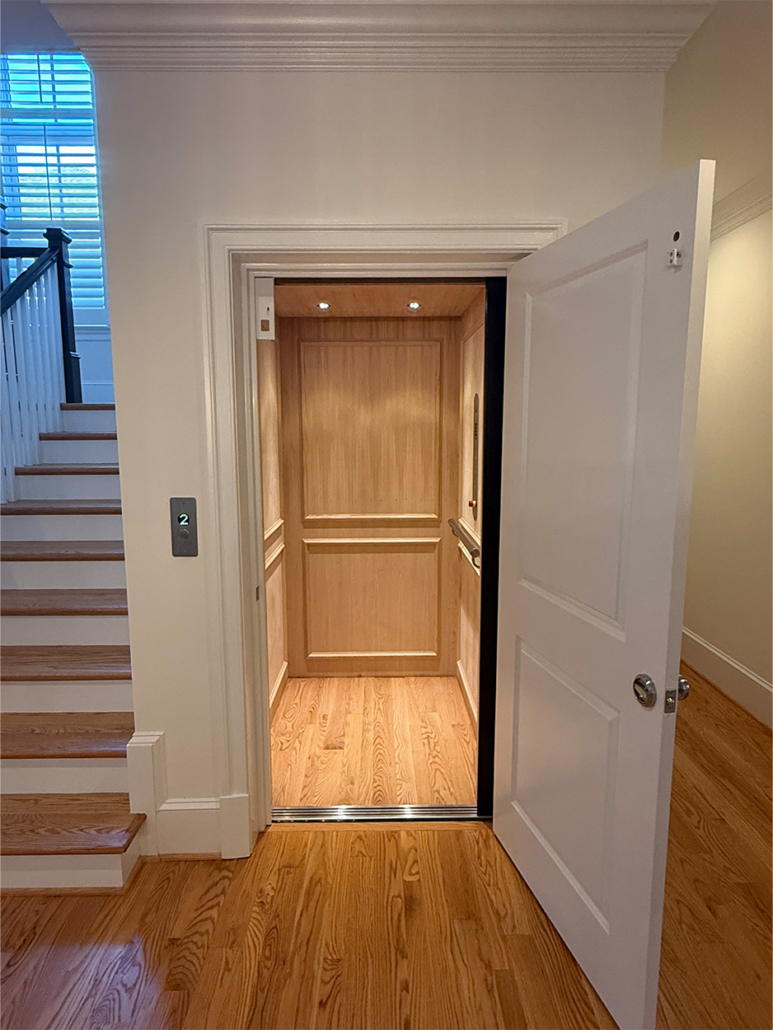
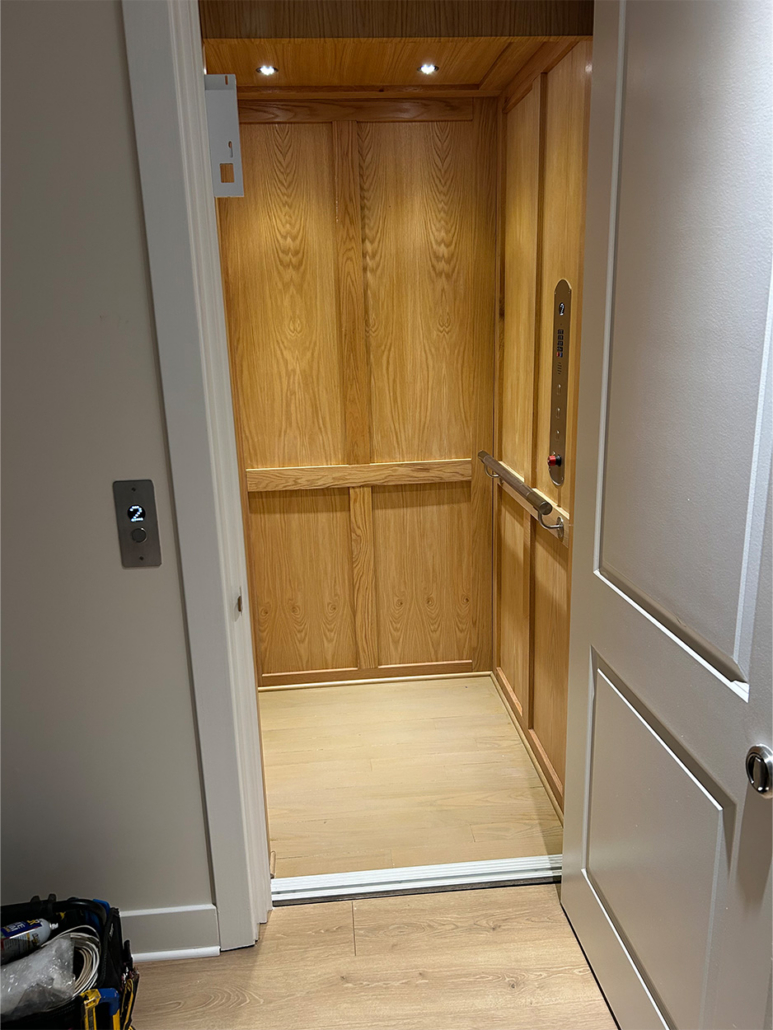
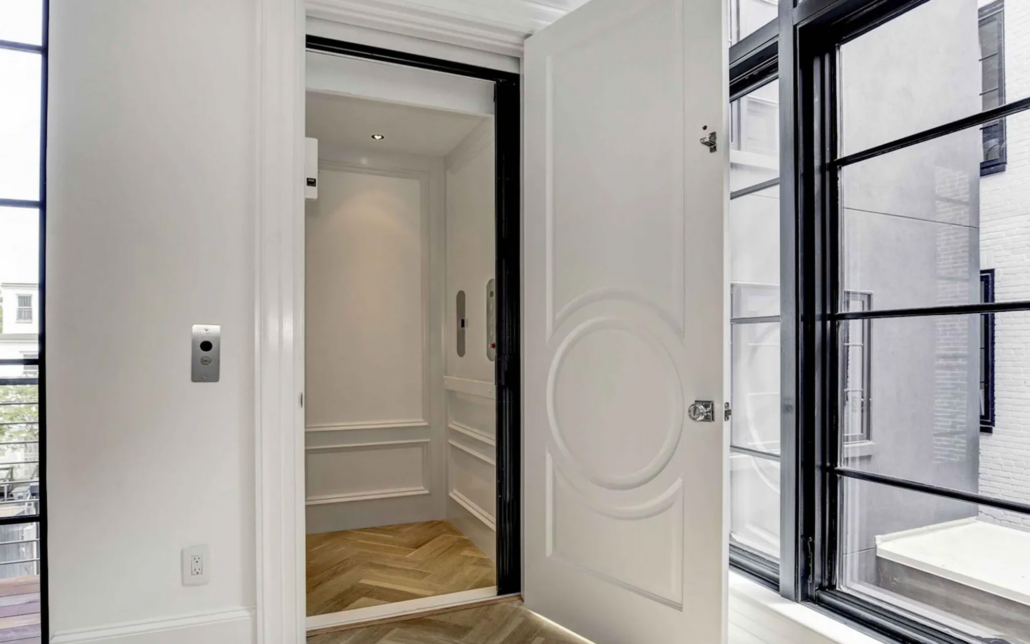
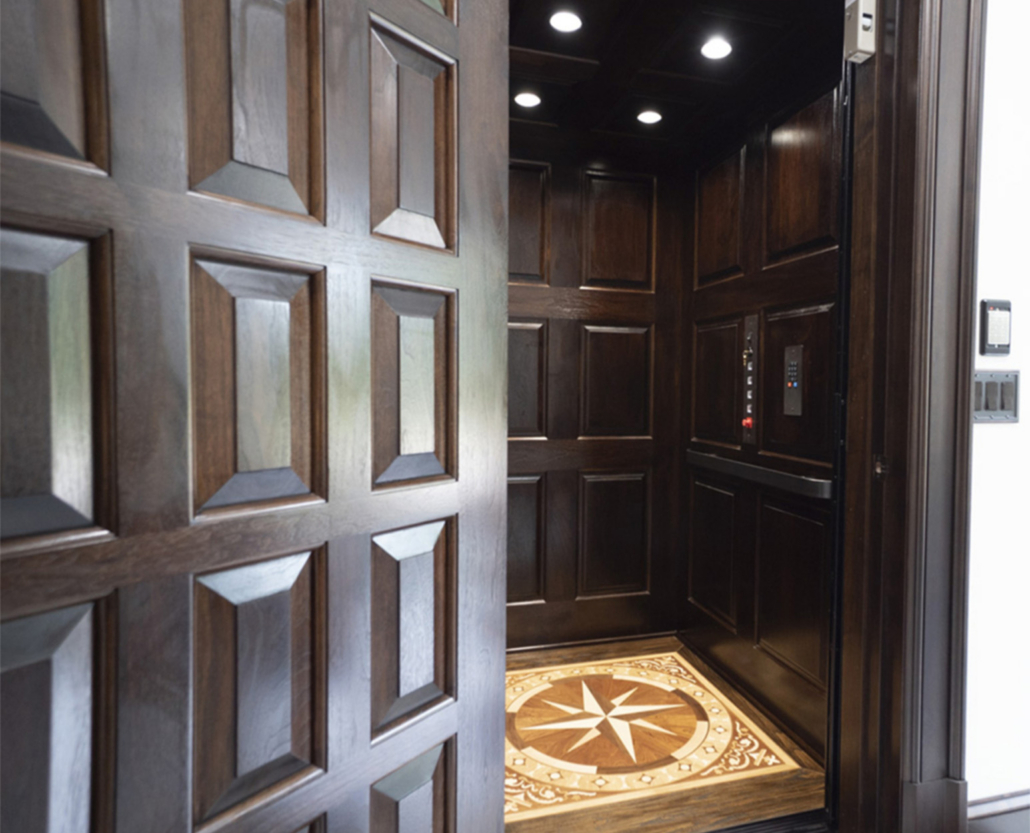
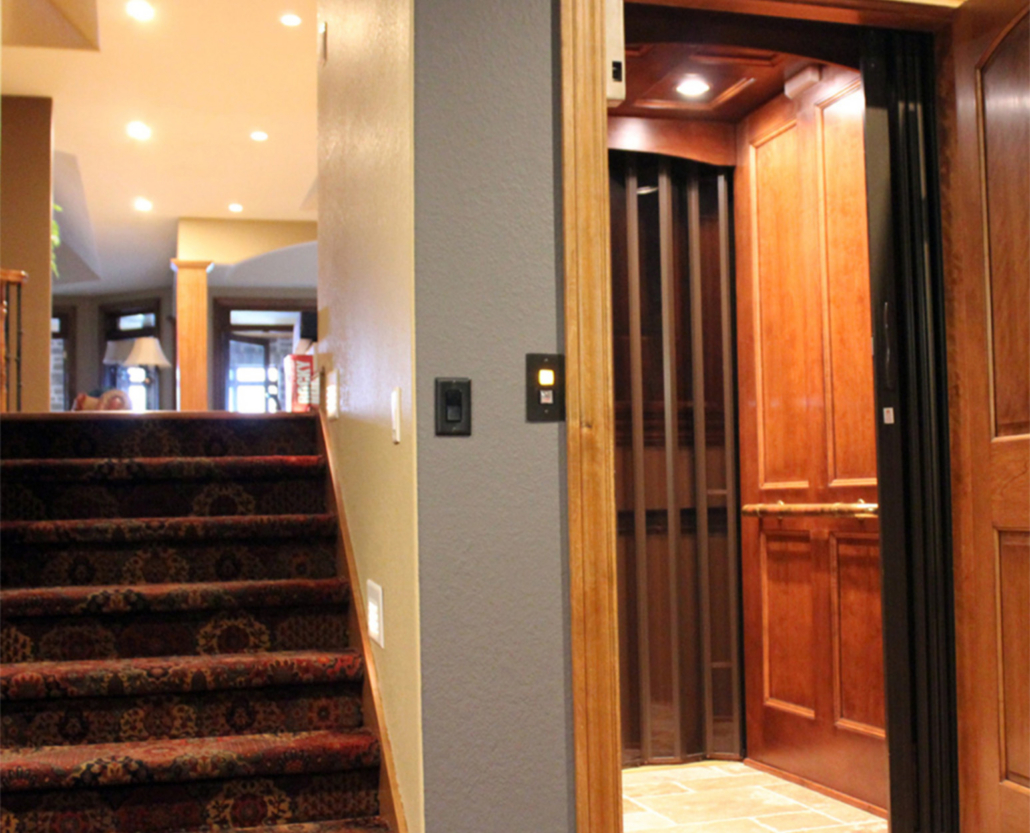
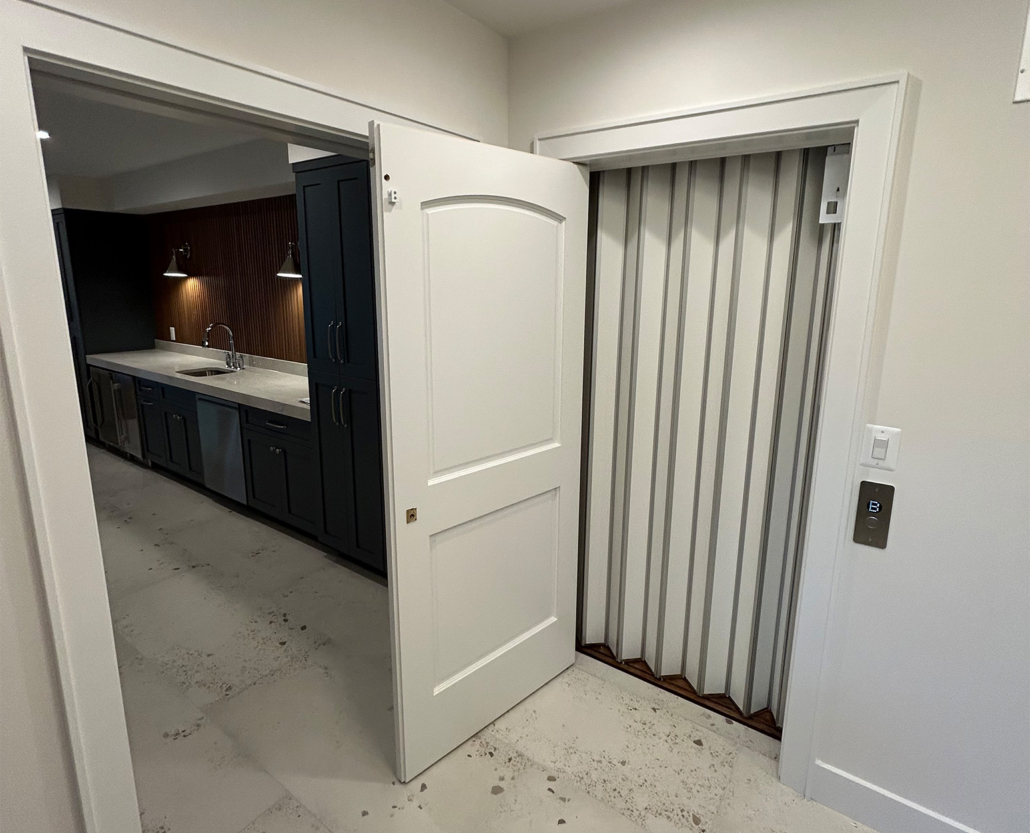
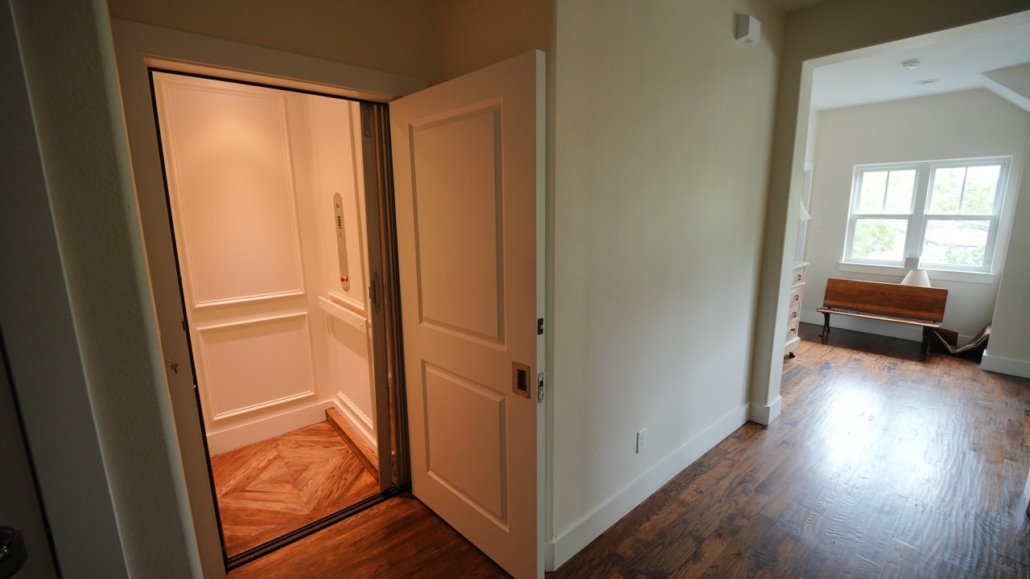
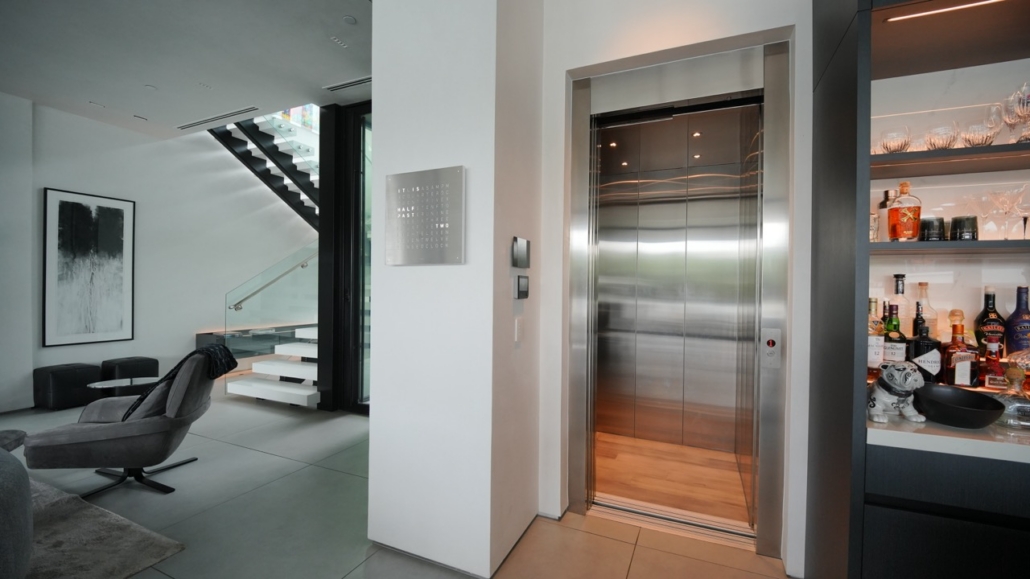
American Elevator delivers traditional in-home elevators with proven performance and custom design that fits how you actually live. Every system is built around your layout and goals, not forced into a pre-fabricated template. Traditional systems can be configured with a range of interior options including flat, shaker, or recessed panel cab designs, door styles, and lighting, and we typically recommend inline gear drive systems for their smooth operation and minimal long-term maintenance demands. We handle the entire process with licensed installers who know elevator systems inside and out. No subcontractors, no handoffs. The same in-house team stays accountable from design and permitting through installation and state inspection.
Understanding the technical side helps you plan smarter and avoid surprises. Here’s what matters when specifying or installing a traditional in-home elevator:
Builders and architects work with American Elevator because we eliminate the guesswork and reduce liability. Our team provides CAD drawings, coordinates permitting, and handles installation with licensed elevator installers, not subcontractors who disappear after the job. We deliver precision at every phase without the handoff risk that comes with less experienced providers. The same team that installs your system also services it long term, so there’s continuity and accountability throughout the elevator’s life.
Fantastic customer service with a reasonable response time. Jason, who was here today to provide maintenance, was the original installer and is so knowledgeable and helpful. Absolutely highly recommend this company.
—Maria C.
In most cases, yes. Traditional home elevators are designed with real-home constraints in mind, and American Elevator has been retrofitting systems into existing builds since 1997. The key factors are available stacked space between floors, structural conditions, and overhead clearance. During your consultation, our team evaluates the layout and confirms what’s feasible before anything moves forward. If a traditional shaft elevator isn’t the right fit, we’ll tell you, and we can point you toward small footprint options that don’t require a traditional hoistway.
Both are proven drive systems with different mechanical approaches. An inline gear drive (IGD) uses a direct-drive motor mounted within the hoistway, which keeps the overall footprint compact and eliminates the need for a separate machine room. Hydraulic systems use a piston and pump to move the cab, which some homeowners prefer for ride quality. Our team generally recommends the IGD for most residential applications based on its compact design and reliable performance, but the right answer depends on your home’s layout, floor count, and priorities. We’ll walk through both when you schedule a consultation.
More manageable than most people expect, but it does require living with a construction zone for a period of time. The process involves opening the hoistway, completing framing, running electrical, and finishing the cab. The footprint of active work is contained to the hoistway area and one staging zone, and our team works in phases so the rest of the home stays functional. We give you a realistic picture of the timeline and sequencing before we start. Once the system passes state inspection, we hand it over with a full homeowner orientation.
The more context you can bring to the first conversation, the more useful it’ll be. Helpful things to know: the number of floors, whether the home is new construction or an existing build, any mobility or wheelchair requirements, and a general sense of where in the home the elevator might go. You don’t need measurements or blueprints. Our team asks the right questions to guide the conversation, and we can help determine whether a traditional home elevator, an accessibility elevator, or a lift makes the most sense. Contact us whenever you’re ready.
You call us. American Elevator installs and maintains the systems we sell, which means you’re not handed off to a third-party service provider after turnover. Every installation comes with a competitive labor and parts warranty, and our maintenance and repair team covers the same geographic footprint as our installation team. If something needs attention, we target a four-day turnaround or faster. We also provide an owner’s manual and a homeowner orientation after the system passes state inspection so you know exactly how to operate and monitor your equipment.
The earlier you bring us in, the better. Elevator planning affects floor plate layouts, structural blocking, electrical routing, and overhead clearance, and changes are far less costly to make on paper than in framing. We work directly with architects and builders during the planning phase and provide full drawing sets for permitting purposes. Our resources for architects and builders outline what we need and when. If you’d like to discuss the project directly, contact our team to get us on your radar early.
Our quotes cover equipment, installation, and permitting coordination. Because every home and project is different, pricing reflects the specific system, your site conditions, and any custom elements selected for the cab. We’re not the least expensive option in the market, and we don’t try to be. What you’re getting is a complete installation by in-house, state-licensed technicians, backed by a warranty that outperforms most competitors, and a service relationship that continues after the job is done. We’ll walk through the quote in detail so there are no surprises.