LULA Elevator Installations
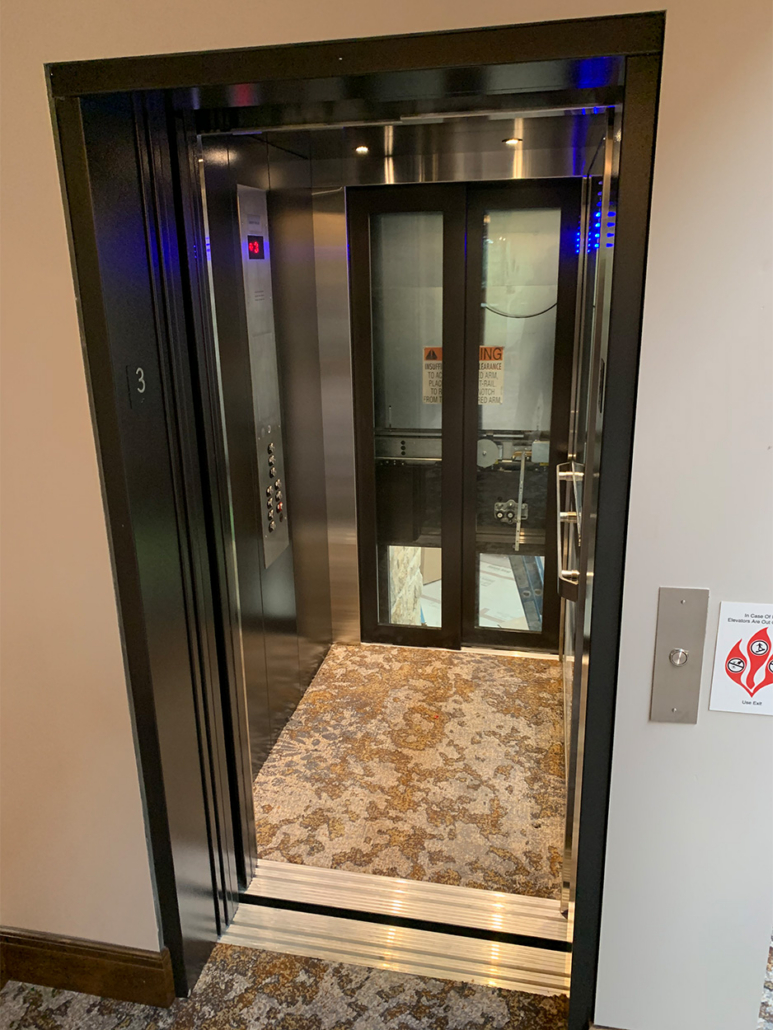
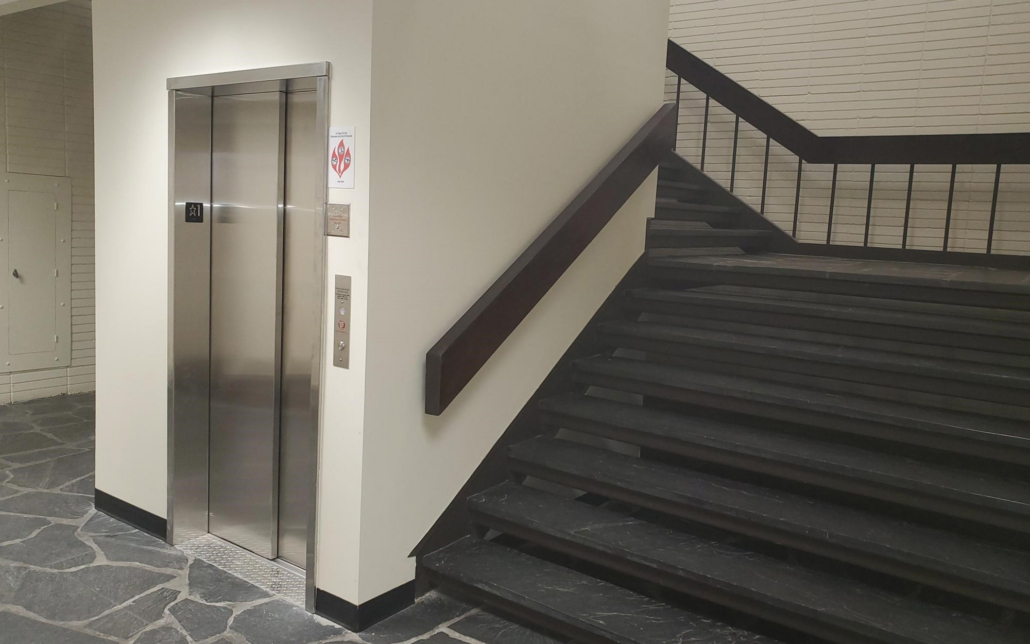
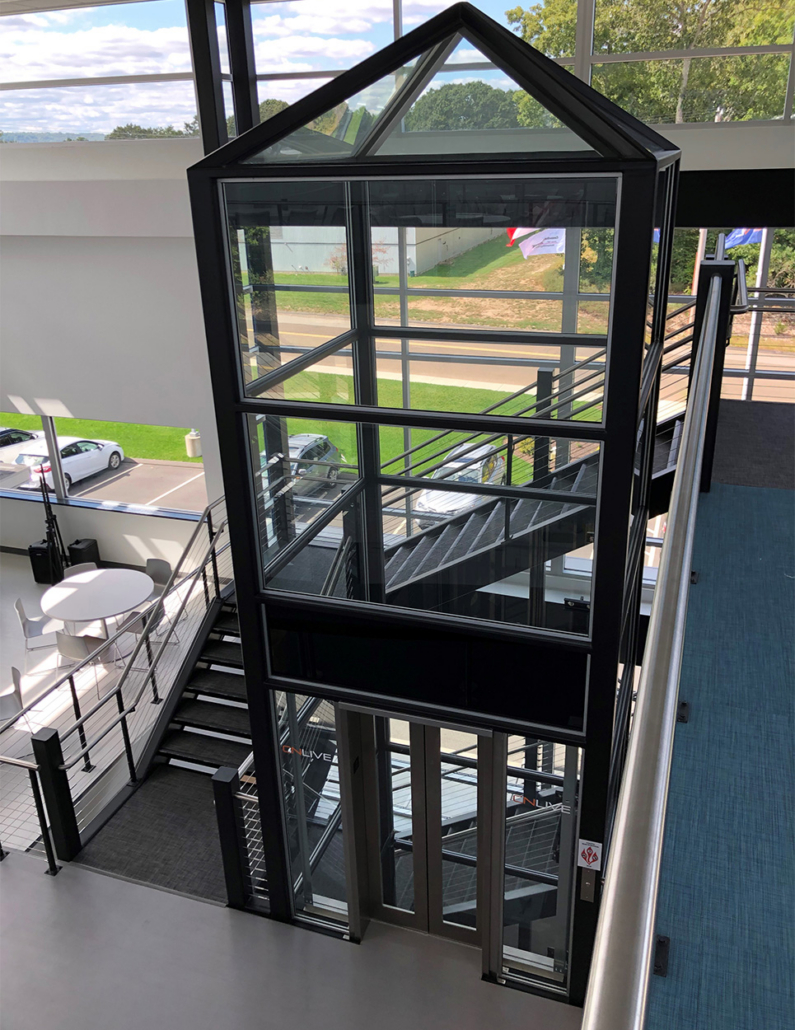
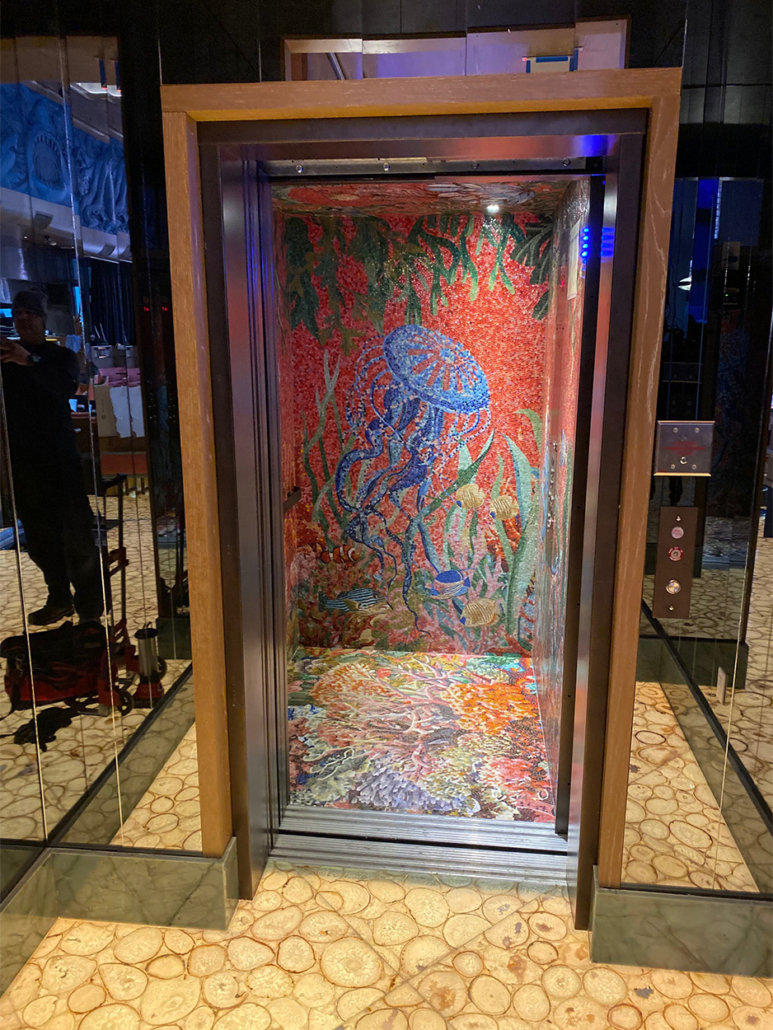
American Elevator installs LULA elevator systems for churches, schools, medical offices, and professional buildings that need a dependable elevator for wheelchair access in low-rise environments.


LULA elevators (Limited Use/Limited Application) provide accessible vertical transportation for buildings that need ADA-compliant access but don’t justify the cost and complexity of full commercial systems. American Elevator handles LULA elevator installation with licensed installers who coordinate design, permitting, and state inspection. For low-rise facilities with moderate daily traffic, two to five floors of travel, and no need for the speed or capacity of a full commercial elevator, a LULA is typically the most practical and cost-effective path to compliant vertical access.
American Elevator installs LULA systems in low-rise buildings where accessibility is required but full commercial elevators exceed budget or traffic needs:
LULA systems demand precision installation and ongoing support from professionals who know commercial elevator codes inside out. American Elevator brings nearly three decades of experience to every project in Georgia, North Carolina, and South Carolina, coordinating permits, managing inspections, and delivering manufacturer-backed warranties on equipment and workmanship. Our licensed team handles the full scope without handing off to subcontractors, and we regularly handle rip-and-replace projects for facilities upgrading or replacing an existing LULA system. When your facility needs maintenance or repairs, the technicians who show up are the same people who installed your system, not a revolving door of strangers learning your building on the fly.
LULA installation timelines depend on site readiness, permitting, and equipment lead times, and they don’t compress without tradeoffs. That said, we move through these projects with a clear process and won’t stall you. The fastest path forward is a prompt building assessment so we know what your structure can accommodate and what permitting will require. If you’re working against a compliance deadline, tell us upfront and we’ll give you an honest read on what’s achievable. Contact us to schedule an assessment and learn more about what LULA installation involves before you call.
The distinction comes down to occupancy, travel distance, and code classification. LULA elevators are Limited Use/Limited Application systems, appropriate for buildings where traffic volume is low to moderate and travel doesn’t exceed the system’s rated limits, typically two to five stories. A full commercial elevator is required in buildings with higher occupancy classifications, greater travel distances, or specific code triggers that a LULA can’t satisfy. The conflicting answers you’ve gotten are common because the analysis is fact-specific to your building type and jurisdiction. We’ll give you our read after a building assessment and coordinate with local inspection authorities throughout the process.
The structural scope depends on your building’s existing conditions and the system configuration. Most LULA installations require a dedicated hoistway, pit depth, overhead clearance at the top landing, electrical service, and compliant door configurations at each landing. In some buildings, particularly older ones, the pit and overhead requirements are the most challenging to accommodate without significant work. We assess these conditions during a site visit and give you a clear picture of what construction is involved before you commit.
There’s usually a crossover point where repair costs and downtime frequency make replacement the more economical path, and we help you find it. Aging LULA equipment often suffers from discontinued parts, outdated controls, and components that can’t be reliably sourced. If your system is generating repeated service calls and disrupting access for the people who depend on it, that’s a conversation worth having. American Elevator does rip-and-replace projects and can assess whether your system is worth continued maintenance or whether a new installation gives you better long-term value.
Engage us during schematic design, not after the building layout is set. LULA planning affects hoistway size, pit and overhead dimensions, landing door configurations, and electrical placement, all of which are easier and less costly to address on paper. We provide full drawing sets for permitting and work directly with architects to coordinate the requirements that affect their design. We also offer AIA credit to licensed architects as part of our professional outreach.